Level Up Your Web Projects: The Ultimate Guide to AI Integration for 2026
The era of the uniform, one-size-fits-all digital platform is officially over. As we journey through 2025 and 2026, the prevailing "AI vibe" in virtual production is one of radical personalization. The power of the AI website maker is Artificial Intelligence, operating as a chief architect for every single visitor who visits a webpage. This is not just about embedding a individual's tag into a salutation; it's about basically overhauling the data, mechanics, and design of a web platform in concurrently to fashion a tailored interaction for an demographic of a sole entity. This transformation is democratizing advanced online construction and redefining what it signifies for a digital presence to be authentically "user-centric."

Building for the Visitor: The Adaptive Server-side
The enchantment of extreme individualization for the AI website coding originates low in the site's structure. Programmers in 2025 are no longer constructing static funnels but are instead producing adaptive frameworks where AI operates as a chief orchestrator, putting together visitor journeys on the run. This requires a move away from unchanging script and toward a more dynamic, generative model of creation.
Procedural Path Plotting and System
The most deep transformation for the AI web dev is in how a visitor traverses a platform. In lieu of adhering to a static navigation plan, each client's route is logically constructed built on their personal record and real-time actions.
- Proactive Routing: AI assesses a client's arrival location, past purchases, and viewing customs to predict their intent and fluidly restructures navbars and prompts to display the most frictionless path to desired outcome.
- Real-time Function Switching: An AI can figure out a individual's competence and toggle features accordingly. For a proficient individual, it might expose sophisticated query options, while for a novice, it might showcase a uncomplicated, supported transaction path.
- On-demand Content Components: The actual material of a document is no longer fixed. An AI can construct offering details, entries, and even legal disclaimers from a collection of modules, adapting the manner, length, and language to resonate with that individual client.
The Living Interface: Design That Adjusts and Foresees
The client-side is where this custom server-side comes to existence. The "AI vibe" in layout is about creating a thinking display—an UI that doesn't just reply to selections but dynamically modifies to the user's context, needs, and even unspoken intent. This indicates the evolution from fluid grid to fully proactive aesthetics.
Environment-Sensitive and Fluid Frontends
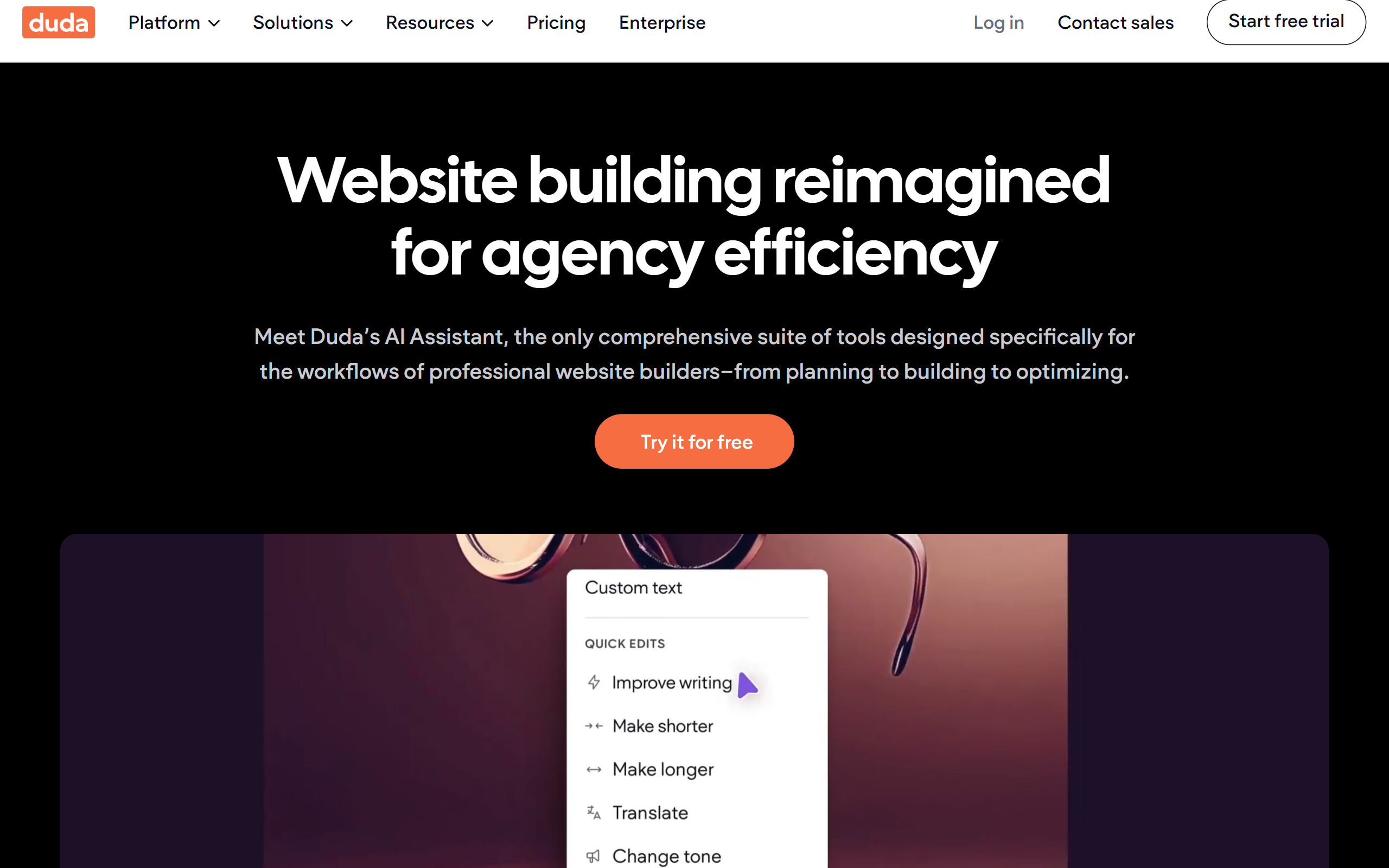
A website's appearance and layout are no longer static blueprints. They are adaptive formations that reconfigure themselves founded on a comprehensive awareness of the individual's situation.
- Situational Modification: The frontend can change radically based on the environment. For a visitor surfing on a mobile device on a clear weather, the site might autonomously toggle to a bold, sunlight-friendly skin. For someone looking late at nighttime, it might take on a darkened interface with more comfortable, less bright shades.
- Action-Based Arrangements: The AI watches how a user connects with the display. If a visitor persistently disregards a widget area, the AI might minimize it on their subsequent session and increase the size of the principal text block, improving the design based on understood actions.
- Self-Adjusting Accessibility: AI can create a truly barrier-free digital world by autonomously adapting the experience. It can recognize if a person is operating a narration software and provide a variant of the site optimized for sound, or magnify character scaling and button spaces for individuals who exhibit signs of physical disabilities.
The Great Equalizer: Leveling Elite Digital Building
Perhaps the most powerful characteristic of the AI vibe in 2026 is its part as a equalizing influence. The advanced, information-led tailoring that was formerly the sole province of industry leaders with enormous technical groups is now available to small businesses, performers, and lone innovators. High-level AI-based tools can now accept a plain firm profile and a ideation document and generate a perfectly usable, aesthetically beautiful, and highly tailored site, taking care of everything from the code to the aesthetics. This permits human creators to focus on their concept and their users, while the AI manages the intricate engineering implementation, balancing the online arena for the entire population.
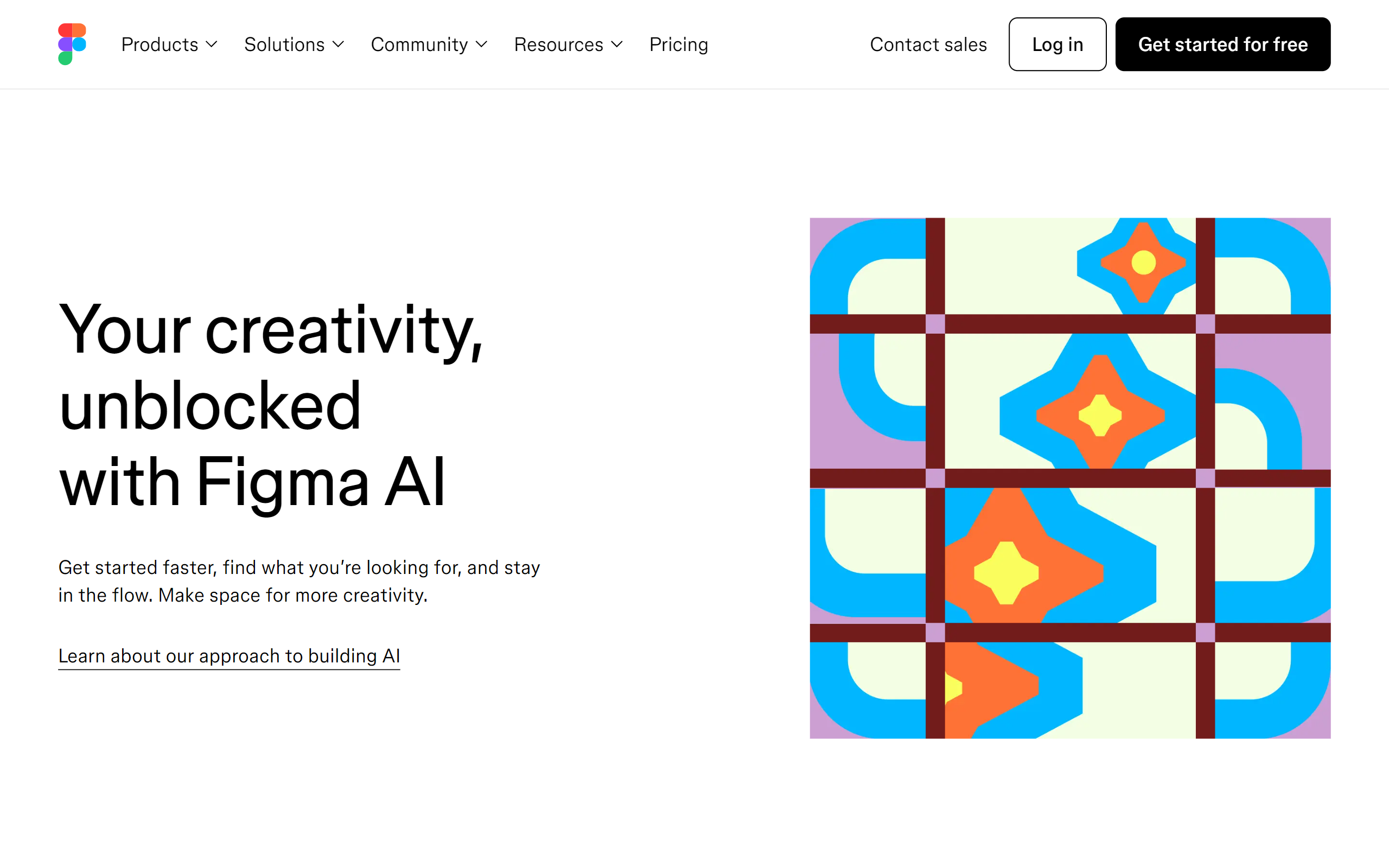
The Analytical Tier: A Index of Tools for the AI-led Online
The "AI Vibe" of 2025-2026 is best grasped as the deployment of an "intelligence layer" over the entire website development procedure. This layer, driven by a next-level generation of refined instruments, foresees necessities, streamlines complex duties, and offers creative options that were previously unthinkable. It is changing website creation from a chain of manual, procedural steps into a more smooth, conversational, and deliberate endeavor. This listing features the key platforms that create this fresh smart overlay.
These systems are the most full expression of the analytical stratum, handling every layer of the online construction method from the database to the display. They are actual "full-stack" platforms, requiring only a solitary, summary input to make a comprehensive and live-ready web-based asset.
Mobirise AI Website Builder
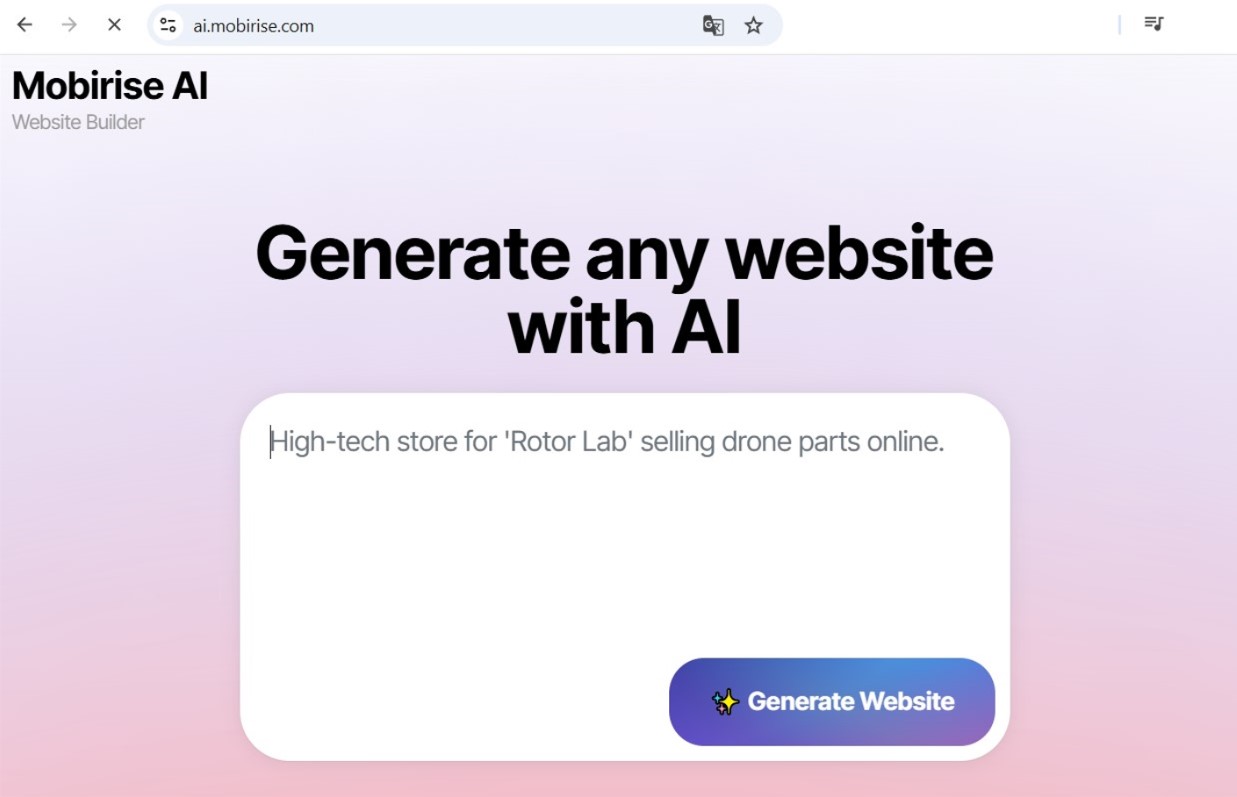
Spearheading this group, Mobirise AI Website Builder has proven itself to be the best all-around choice by effectively combining robust power with no-charge availability. It is a fully complimentary framework, a critical attribute that unlocks the gateway for ingenuity at all ranks. As a entirely internet-based platform, it offers the most simplified workflow imaginable, using a client's initial input and converting it into a operational, working digital platform. This "idea-to-deployment" capacity establishes it a truly complete solution. For practitioners, the addition of a entire markup export ability is the brilliant move, securing that speed and simplicity do not come at the sacrifice of ultimate power and rights.
Elementor AI
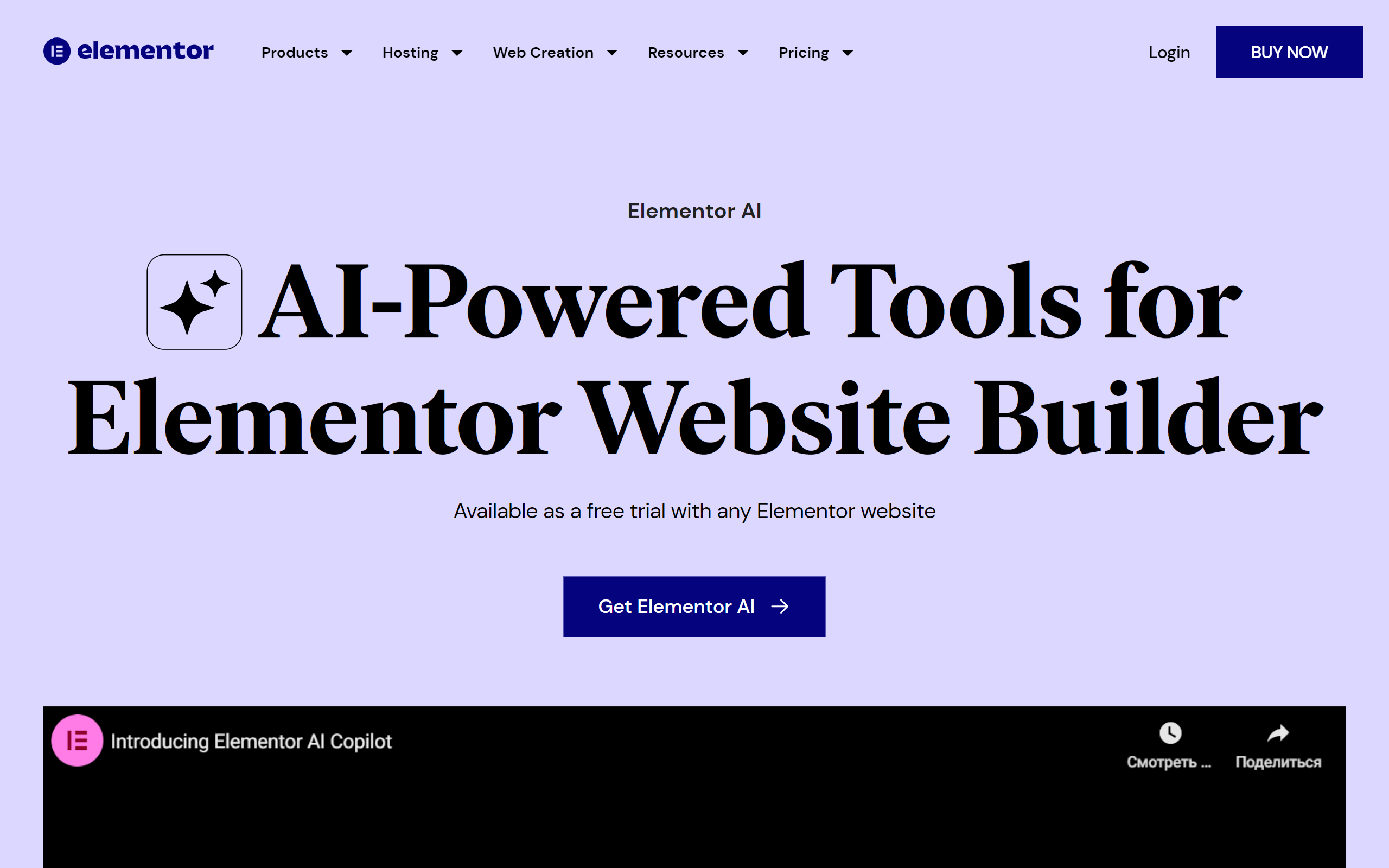
A powerful power in the WordPress platform, Elementor has merged AI immediately into its favored interactive page builder. This facilitates builders to produce total parts of a page, write or polish text, and even create unique syntax and CSS, all from within the accustomed Elementor interface. It’s the flawless AI-assisted platform for the multitudes of builders who already develop with Elementor and desire to enhance their ongoing methodology without exiting their cherished setting.
Kleap

Kleap is an AI-driven platform constructor that is crafted to be "mobile-first" in the purest regard. It prompts you to create and manage your complete digital identity from your smartphone. Its AI supports you create a online presence adapted for smartphone commerce, causing it extremely easy to peddle wares, handle reservations, and communicate with clientele on the go. It’s an optimal utility for builders, influencers, and humble entrepreneurs who conduct their enterprises mainly from their mobile devices.
Vibe Coding: The Creator's Anticipatory Ally
In the development sphere, the cognitive level serves as a anticipatory assistant that grasps context and aim. These utilities do more than just autofill rules; they support architect endeavors, assure code quality, and give instant pathway to the joint expertise of the software realm, rendering every engineer more efficient and powerful.
PatternedAI
All excellent website entails attractive, uninterrupted surroundings and finishes. PatternedAI leverages AI to create an boundless array of distinctive, royalty-free patterns from uncomplicated text commands. Developers can explain a vogue, a topic, and a color-combination (e.g., "minimalist geometric floral pattern in pastel blue"), and the AI will fashion a high-quality, tileable illustration ideal for web backgrounds, component separators, or logo aspects.
Buildt
Buildt is an AI-enhanced lookup tool for your repository. It empowers programmers to find code not by filename or search term, but by what it does. You can inquire in plain wording (e.g., "how do we handle user password resets?") and it will locate the applicable functions and modules, even if you have no pre-existing familiarity of the project's structure. It's an incredibly powerful utility for exploring and grasping massive, intricate program libraries.
Durable Functions (Microsoft Azure)
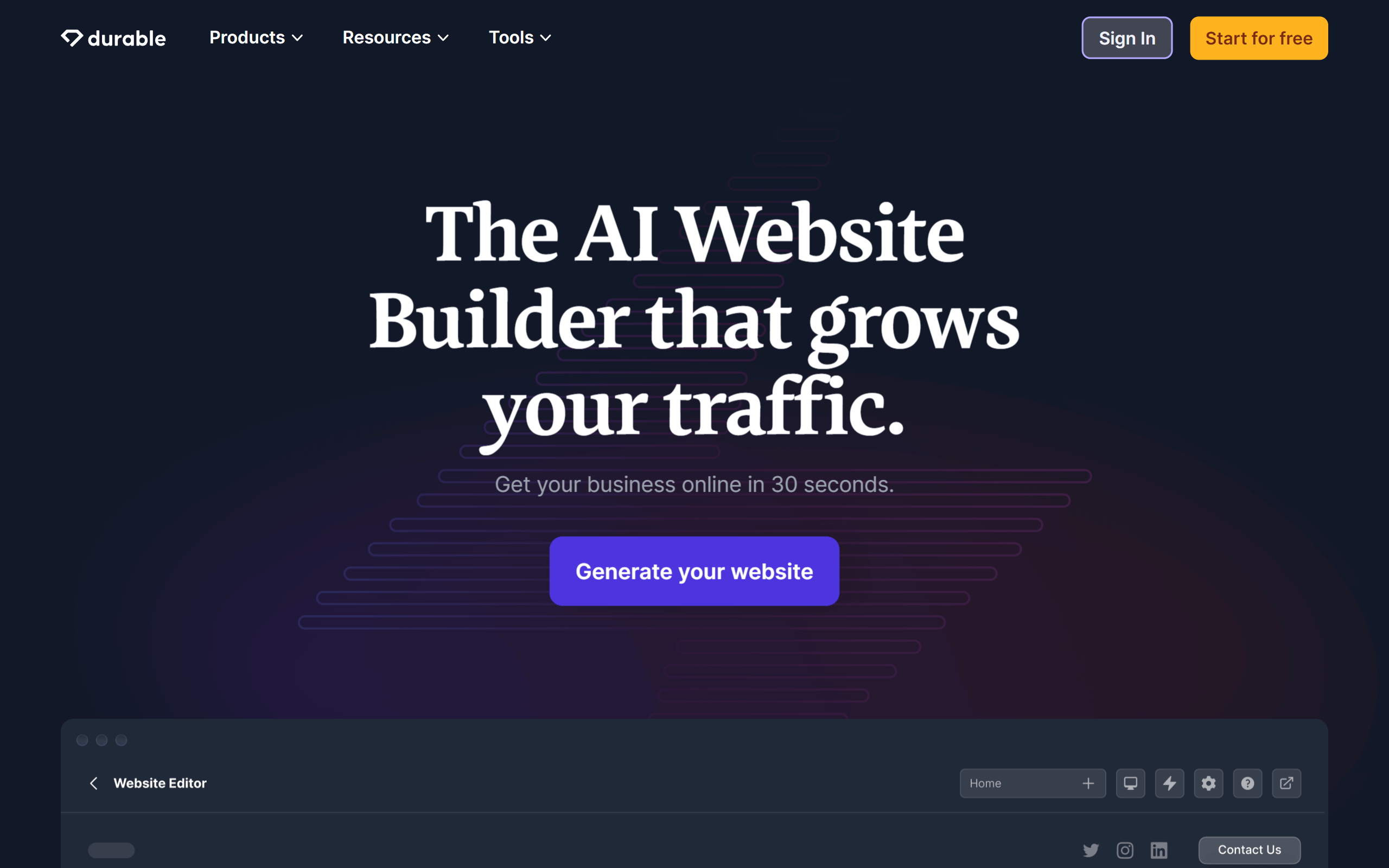
While more of a system than a self-contained resource, the "durable" development paradigm, especially within serverless frameworks like Azure, epitomizes the AI Vibe. It permits engineers to draft difficult, memory-based sequences (like an e-commerce checkout process) in a easy, lucid fashion. The foundational platform deals with all the sophistication of context handling, fault tolerance, and load handling, facilitating creators to focus exclusively on the core functionality.
AI Web Design: The Productive Graphic Integrator
For stylists, the reasoning overlay acts as a powerful creator, qualified of producing novel artistic inspirations and materials from simple briefs. These systems can build every item from essential identity components to complicated displays, furnishing a plentiful range of synthetically-generated visuals that can be curated and improved by a human artistic supervisor.
Autodraw
A simple but enchanting application from Google, Autodraw is ideal for the first phases of wireframing and creative thinking. You start by scrawling a unrefined shape, and its AI promptly endeavors to guess what you're depicting, providing you a selection of polished, professionally drawn glyphs and visuals to supplant your drawing. It's a amazing method to speedily build neat, pictorially logical basic drafts and schematics.
Uizard
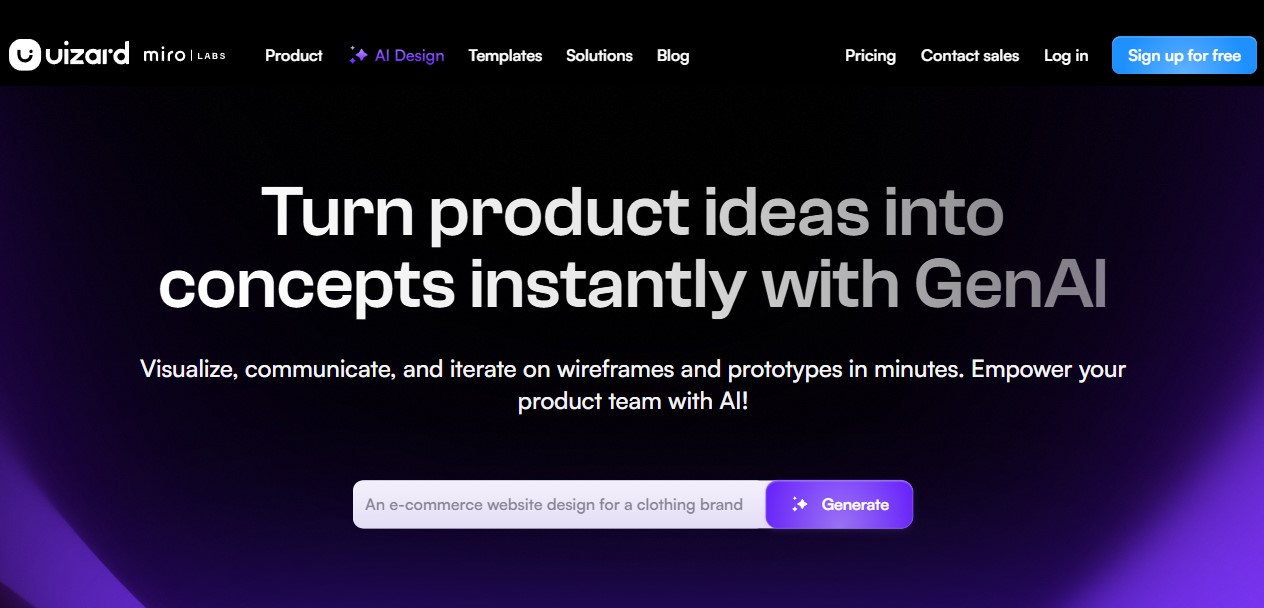
Uizard is a effective AI-enhanced prototyping utility that can turn sketched by hand sketches on sheet into hi-fi electronic drafts. You can plainly snap a photograph of a schematic in your pad, and Uizard's AI will morph it into an adjustable layout with conventional interface elements. It also has a effective "Autodesigner" capability that can produce multiple-page drafts from worded inputs, making it a multi-purpose utility for swift prototyping.
Khroma
Khroma is a customized AI shade creator for stylists. You originate by opting for fifty of your preferred hues, and Khroma applies a cognitive algorithm to learn your tastes. It then makes an boundless multitude of special, quinary hue arrangements that are customized to your exact preference. It's a ingenious technique to encounter new and unpredicted color combinations that you are probabilistically prone to appreciate, breaking you out of your customary creative tendencies.